
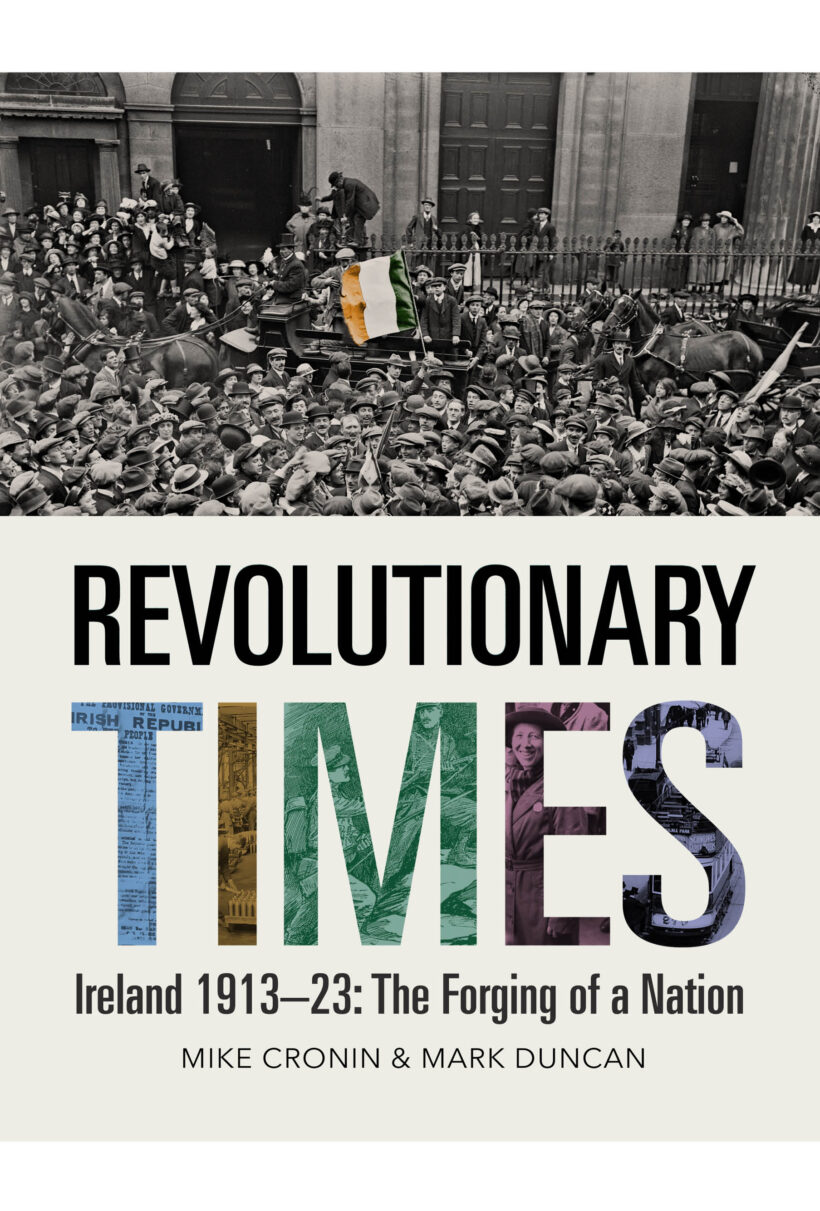
 Revolutionary Times – Ireland 1913-23: The Forging of a Nation (Merrion Press, 2024) is an illustrated chronicle of a nation on the brink of a new dawn. Co-authored by Academic Director of Boston College Ireland Mike Cronin and Mark Duncan, former director of the GAA Oral History Project at BC, Revolutionary Times captures the complexity of this transformative decade through contemporary-style reportage, timelines of key events, and insightful essays. Drawn from the acclaimed RTÉ project Century Ireland, the book delves into the political upheaval as well as the everyday realities of Irish life during this period—from sports and fashion to housing debates and extreme weather.
Ireland 1913-23
Synodality’s future
 Now that the Synod on Synodality has ended, how can the Catholic Church continue to grow in a more synodal—more participatory, open-minded, inclusive, and spiritual—ecclesial style? The answer to that question is at the heart of a new book co-authored by Jos Moons, S.J., Cavalieri Visiting Jesuit Professor at the Clough School of Theology and Ministry. In The Future of Synodality: How We Move Forward from Here (Liturgical Press, 2025), Fr. Moons and co-author Kristin Colberg (Saint John’s University and College of Saint Benedict) explore the historical and theological roots of a synodal church, review the Synod on Synodality (2021-24), and outline the transformations necessary for the Catholic Church to follow a path marked by inclusive listening. Fr. Moons and Colberg cite three required changes: a renewal of attitudes and behavior, a reform of ecclesial structures and procedures, and the adoption of synodal practices. The co-authors discuss the book in this video from Liturgical Press. A Dutch Jesuit from KU Leuven, Fr. Moons’ other publications include The Holy Spirit, the Church, and Pneumatological Renewal: Mystici Corporis, Lumen Gentium and Beyond and The Art of Spiritual Direction: A Guide to Ignatian Practice.
Let them
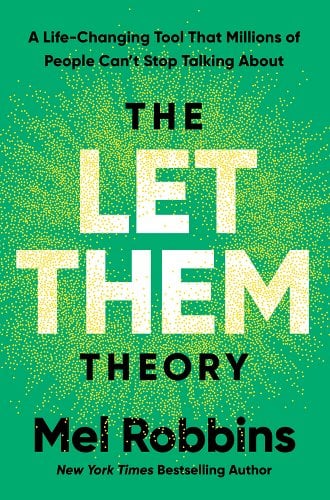 Bestselling author and award-winning podcaster Mel Robbins has written a new book that urges readers to focus on what you can control and release what you cannot. Robbins is a well-known expert on mindset, motivation, and behavior change. In The Let Them Theory she shares her groundbreaking approach to building a life of your dreams by stopping other people’s opinions, drama, and judgment from impacting you. Through relatable stories and science-backed strategies, Robbins provides a toolkit to help readers rediscover their inner power and transform their relationships. Robbins is a 1994 graduate of Boston College Law School. Her other publications are The High 5 Habit and The 5 Second Rule, and her books have been translated into 50 languages. More from The Today Show and Oprah.com.
Posted in Alumni Authors
Tagged Boston College Law School, self-help, self-improvement
Leave a comment
Katherine McKittrick
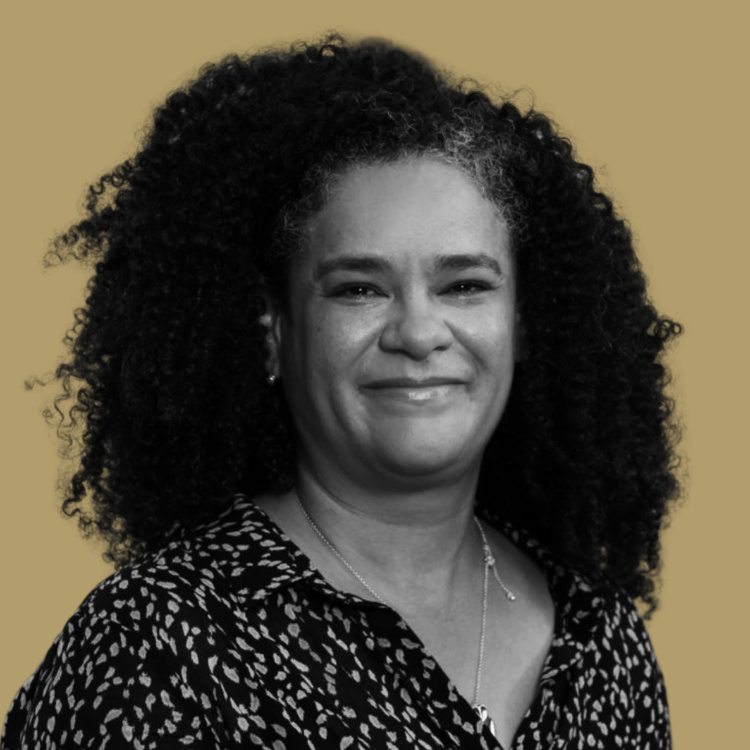 Katherine McKittrick, a professor of gender studies and Canada Research Chair in Black Studies at Queen’s University in Kingston, Canada, will present “A Poetics of Declension” at Boston College on March 19 at 7 p.m. in Gasson 100. McKittrick is author of Demonic Grounds: Black Women and the Cartographies of Struggle and Dear Science and Other Stories. She also edited and contributed to Sylvia Wynter: On Being Human as Praxis and co-edited Black Geographies and the Politics of Place. Her current project looks at NourbeSe Philip’s poem “Meditations on the Declension of Beauty by the Girl with the Flying Cheek-bones.” Her talk is presented by BC’s Lowell Humanities Series and cosponsored by African and African Diaspora Studies. The event is free and open to the public, but registration is required.
Poetry honors for alumna
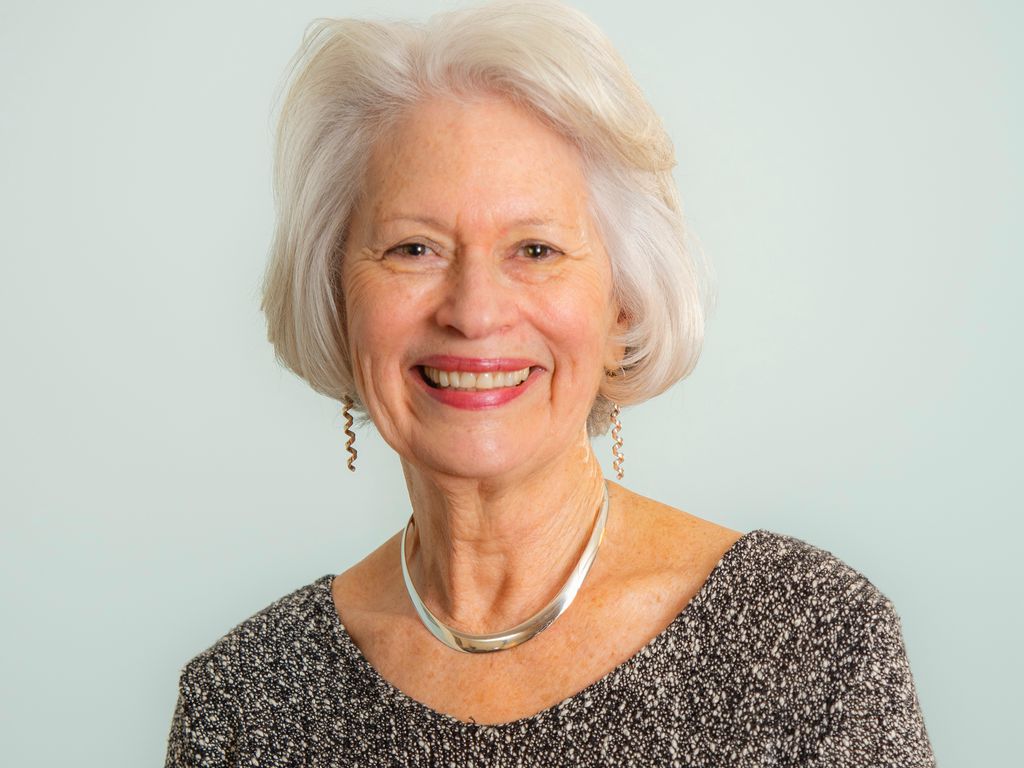 “Little Skate at Ballston Beach,” a poem by Lynne Spigelmire Viti, earned Second Place honors in the regional category of the 12th Annual Joe Gouveia Outermost Poetry Contest. The contest is sponsored by WOMR, a public broadcasting community radio station based on Cape Cod, and is named in honor of the late Cape Cod poet laureate. Viti holds a Ph.D. and a J.D. from Boston College. She serves as the poet laureate for Westwood, Mass., and has published the poetry collections, The Walk to Cefalù and Dancing at Lake Montebello. Her other publications include the chapbooks Baltimore Girls and The Glamorganshire Bible and the short fiction collection Going Too Fast.
Your Time to Rise
 Boston College graduate Arivee Vargas tapped into her personal experience as Latina who overcame limiting cultural and societal expectations for her new book Your Time to Rise: Unlearn Limiting Beliefs, Unlock Your Power, and Unleash Your Truest Self. In Your Time to Rise, Vargas provides actionable strategies and tools to help women, specifically women of color, break free from expectations and get honest with themselves about how they want to live and work. She shares with readers her four-part framework for navigating personal and professional inflection points. The host of the Humble Rising podcast, Vargas is a certified executive coach, writer, speaker, and mother. She earned a bachelor’s degree and a law degree from Boston College and was awarded an honorary degree in 2022.
Reading Shakespeare to respond to illness
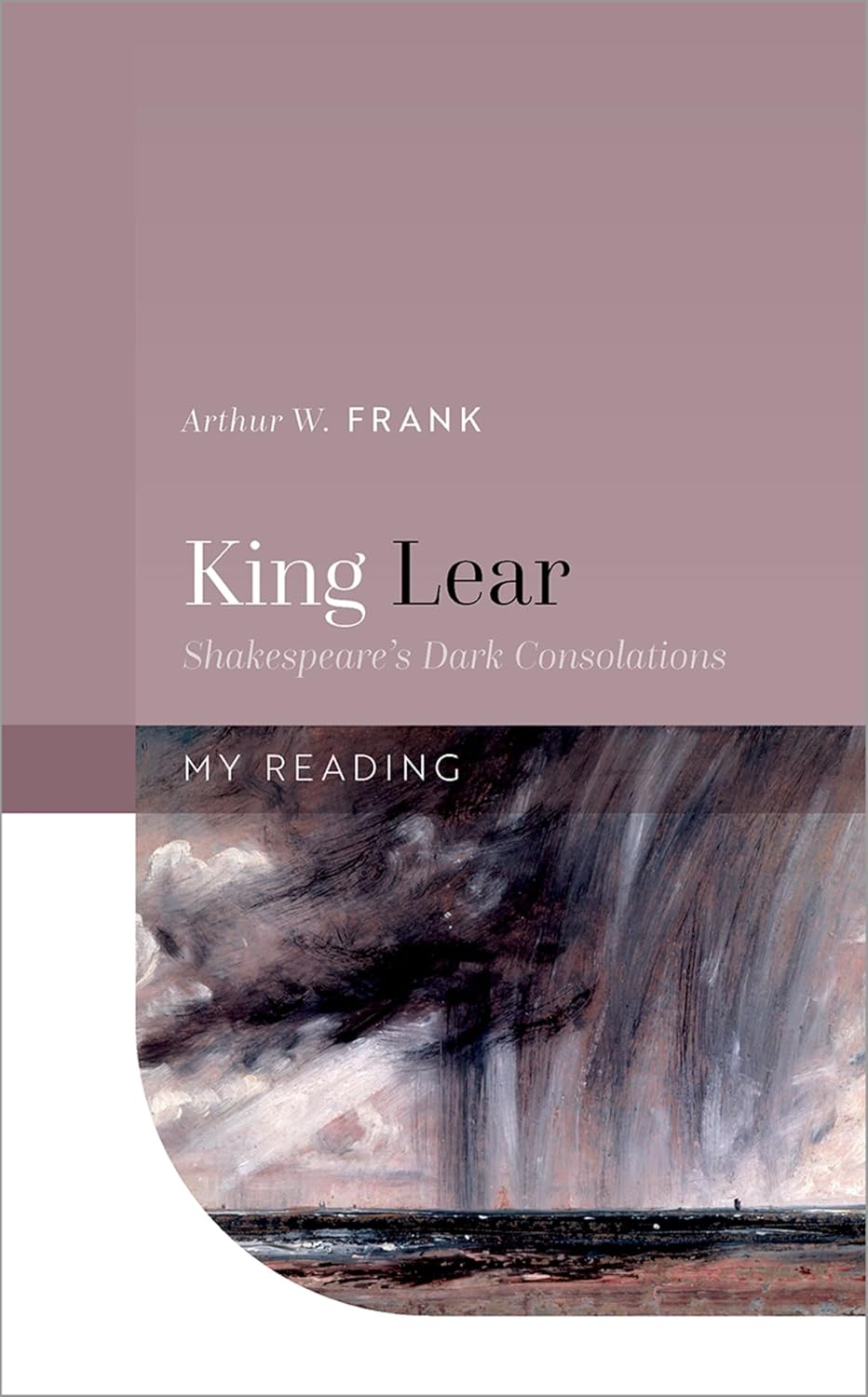 University of Calgary Professor Emeritus Arthur Frank, Professor II at VID Specialized University in Oslo and a visiting professor at Columbia University, will present “Polyphonic Suffering: Reading Shakespeare to Respond to Illness” at Boston College on March 12 at 7 p.m. in Gasson 100. Frank, who writes and lectures on the experience of serious illness and the ethics of care, is the author of King Lear: Shakespeare’s Dark Consolations. His focus is on stories of illness and suffering, and how those who suffer can benefit from telling their own stories and hearing others’ stories. His other publications include the memoir At the Will of the Body and the acclaimed The Wounded Storyteller, among others. A Fellow of the Royal Society of Canada, he is a recipient of a lifetime achievement award from the Canadian Bioethics Society. Frank’s lecture is presented by the BC Lowell Humanities Series and cosponsored by the BC Center for Psychological Humanities & Ethics. The event is free and open to the public, but registration is required.
History and adventure await
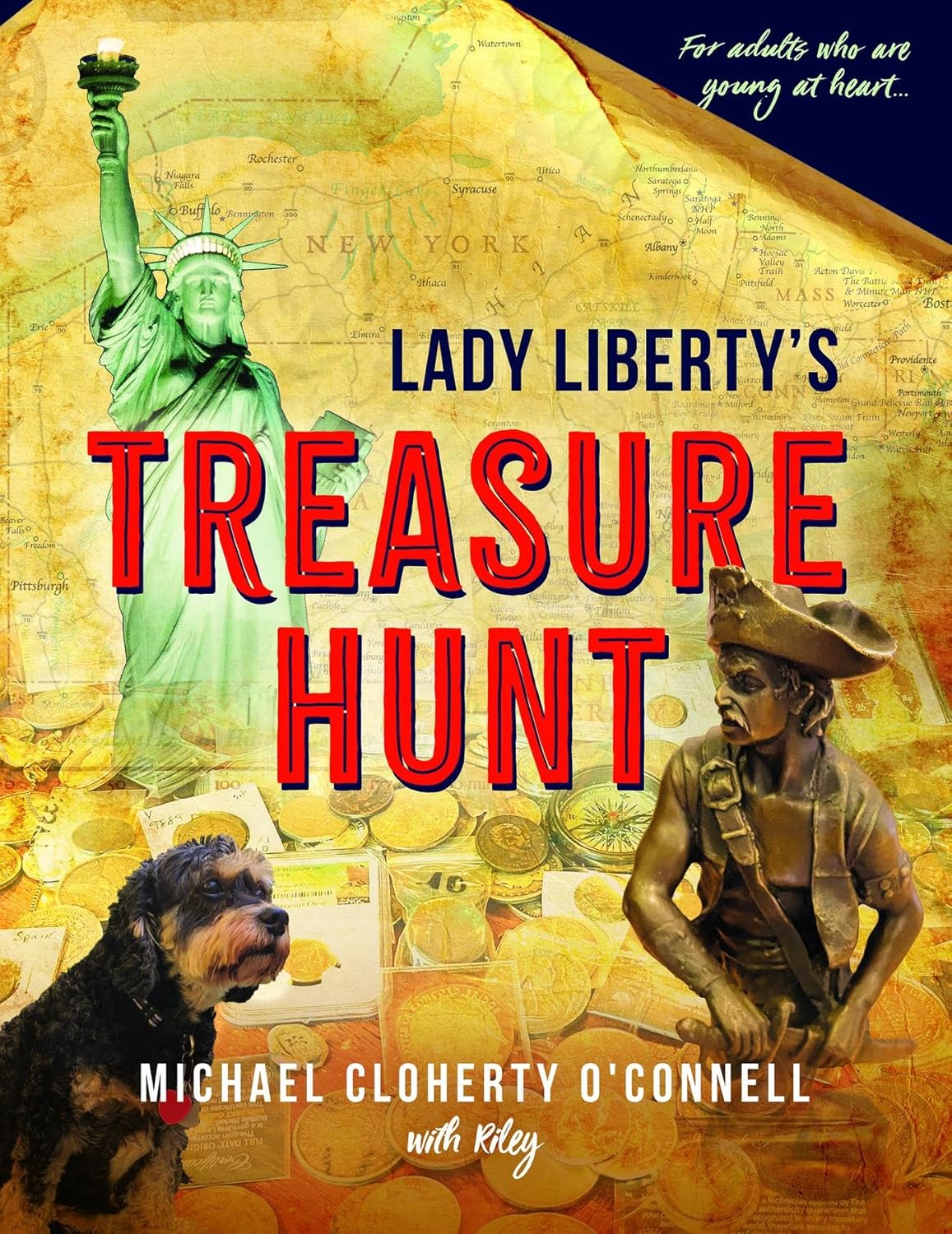 Michael Cloherty O’Connell, who earned a master’s degree from Boston College in 1998, is the author of two new books: Lady Liberty’s Treasure Hunt and Riley’s Treasure Chase. Lady Liberty’s Treasure Hunt is a memoir combined with an intricately crafted treasure hunt. The title is a tribute to the author’s wife, Laurel, a BC grad he calls “Lady Liberty.” In the book, O’Connell interweaves memories of family trips, friendships, and significant life events with his passion for history. O’Connell’s narrative also invites readers to embark on a treasure hunt across the states of New England, New York, New Jersey, and Pennsylvania. The quest encourages readers to explore these regions, learn about their historical significance, and find hidden treasures. Riley’s Treasure Chase is a smaller scale adventure book set in Massachusetts and designed for families, youth leaders, and educators. It mixes a treasure hunt journey with explorations of historical landmarks and nature. Riley, the author’s dog, serves as both a mascot and guide.
Unjustly convicted
 In his recently republished book, Justice Under God: How Faith, Hope, and Charity Freed an Innocent Man and Helped Save a Thousand Lives, Boston College Law School Adjunct Professor Christopher J. Muse, a retired Superior Court judge, chronicles his and his father’s intervention in the life of Bobby Joe Leaster. Leaster was imprisoned for more than 15 years for a 1970 murder and armed robbery in Dorchester he didn’t commit. Working pro bono, Christopher Muse and his father Robert Muse (BC Class of 1942), started in 1977 to right the wrong; Leaster was freed in the winter of 1986. The book describes the crucial impact of the Leaster case in thwarting the reinstitution of capital punishment in Massachusetts during the 1990s, and unlocking compensation opportunities for people who were unjustly incarcerated. Following his release from prison, Leaster worked for decades steering at-risk kids in Boston away from gangs and toward school or jobs. Leaster maintained a close friendship and connection to the Muse family, until his death in 2020. Read more in BC News.
Posted in Alumni Authors, Boston College Authors
Tagged Boston College Law School, justice, memoir
Leave a comment
Modernizing ‘Piers Plowman’
 An experimental hybrid work, Cycle of Dreams (Punctum Books, 2024) by Boston College Professor of English Eric Weiskott pairs translation and original poetry. The translations, or adaptations, are of William Langland’s 14th-century dream vision, Piers Plowman, a politically radical English and Latin poem written in the wake of plague and divided into a prologue and 20 passūs or steps. Weiskott transposes the action from London and Worcestershire to New England and Long Island. The translations refashion and modernize Piers Plowman by disarticulating its continuous shape and rearticulating it as a collection of lyrics. The translation appears on the left and original poetry on the right in each page opening, so that the 14th and 21st centuries speak to one another as in a dream. Weiskott’s previous publications include the poetry chapbook Chanties and the scholarly monograph Meter and Modernity in English Verse, 1350–1650.
 BC Bookmarks