
 Rosa Brooks, the Scott K. Ginsburg Professor of Law and Policy at Georgetown University Law Center and founder of Georgetown’s Innovative Policing Program, will deliver the Winston Center’s Chambers Lecture on March 1 at 6 p.m. in Gasson 100. Brooks is an expert on national security, international law, constitutional law, and criminal justice. She is the author of Tangled Up in Blue: Policing the American City (Penguin Books, 2021), in which she recounts her four years of experience as a sworn, armed reserve police officer with Washington D.C. Metropolitan Police Department, and argues that a nation increasingly divided by race, class, ethnicity, geography, and ideology needs a truly transformative approach to policing. The program she leads at Georgetown rethinks the role police should play in today’s society and helps communities, police, and the broader legal system to work together to address the legacy of racial discrimination and over-criminalization. Brooks is also the author of the book How Everything Became War and the Military Became Everything and is a frequent contributor to the New York Times, Wall Street Journal, and Washington Post, and a frequent guest on MSNBC, Fox, CNN, and NPR.
Policing the American city
Saslow on white nationalism
 Eli Saslow, a Pulitzer Prize-winning journalist with The Washington Post, will give a lecture on his book, Rising Out of Hatred: The Awakening of a Former White Nationalist, on Feb. 23 at 7 p.m. His presentation will be in webinar format followed by a moderated discussion and audience Q&A. Rising Out of Hatred tells the story of how Derek Black, the one-time heir to America’s white nationalist movement, came to question the ideology he helped spread and went on to publicly denounce white nationalism in an open letter to the Southern Poverty Law Center. Saslow is the winner of two George Polk Awards, a PEN Literary Award, a James Beard Award, and other honors. Saslow is also the author of Voices from the Pandemic: Americans Tell Their Stories of Crisis, Courage and Resilience. His lecture is presented by the Lowell Humanities Series, and co-sponsored by the Journalism Program, the American Studies Program, and the Communications Department. Details and a registration link here.
Posted in Guest Authors, Lowell Humanities Series
Tagged Pulitzer Prize winner, racism
Leave a comment
Slavery, smuggling, and chocolate
 Mutiny on the Rising Sun: A Tragic Tale of Slavery, Smuggling, and Chocolate (NYU Press, 2021), written by Boston College graduate Jared Ross Hardesty, recounts the deadly 1743 mutiny aboard the Rising Sun, a schooner involved in smuggling. After completing a routine smuggling voyage where the crew sold enslaved Africans in exchange for chocolate, sugar, and coffee in the Dutch colony of Suriname, three sailors sneaked below deck, murdered four people, and seized control of the vessel. In Mutiny on the Rising Sun, Hardesty shows how illegal trade created demand for exotic products like chocolate, and illustrates the centrality of smuggling and slavery in early American society. He is also the author of Unfreedom: Slavery and Dependence in 18th Century Boston and Black Lives, Native Lands, White Worlds: A History of Slavery in New England. Hardesty earned a master’s degree and a Ph.D. in history from Boston College and is an associate professor of history at Western Washington University. Learn more in this Q&A with WWU.
China, Russia, and the U.S.
 Sarah Paine, the William S. Sims University Professor of History and Grand Strategy at the U.S. Naval War College, will deliver a lecture on Feb. 16 about the different security paradigms followed by continental and maritime powers as it applies today to Russia and China versus the West. Her talk will take place in Fulton Hall, room 511, beginning at 5 p.m. Paine is author of the prize-winning book The Wars for Asia, 1911-1949 (Cambridge University Press). She has spent more than eight years overseas, with multiple yearlong stints in Taiwan and Japan, and a year each in China, Russia, and Australia. She is an expert on geopolitics, Mao Zedong, World War II, the Chinese Civil War, the Russo-Japanese, Korean, Vietnam and Cold wars, operational and strategic effects of naval blockades, commerce raiding, and non-military uses of navies. Sponsor: Asian Studies.
Helping students in a volatile world
 Even before the COVID-19 pandemic, students’ well-being was an increasingly prominent concern among educators, as issues related to mental health, global crises, and social media became impossible to ignore. But what, exactly, does well-being look like, and why is it so important, and what can school systems do to promote it? World-renowned education experts Andy Hargreaves and Dennis Shirley have collaborated on a timely resource for teachers, leaders, and policymakers: Well-Being in Schools: Three Forces That Will Uplift Your Students in a Volatile World (ASCD, 2021). Hargreaves and Shirley offer an in-depth exploration of the underlying ideas and research findings related to well-being, coupled with examples of policies and implementations from around the globe. Hargreaves is professor emeritus at the Lynch School of Education and Human Development. Shirley is professor at the Lynch School. They are also co-authors of Five Paths of Student Engagement and The Fourth Way: The Inspiring Future for Educational Change.
Touring China
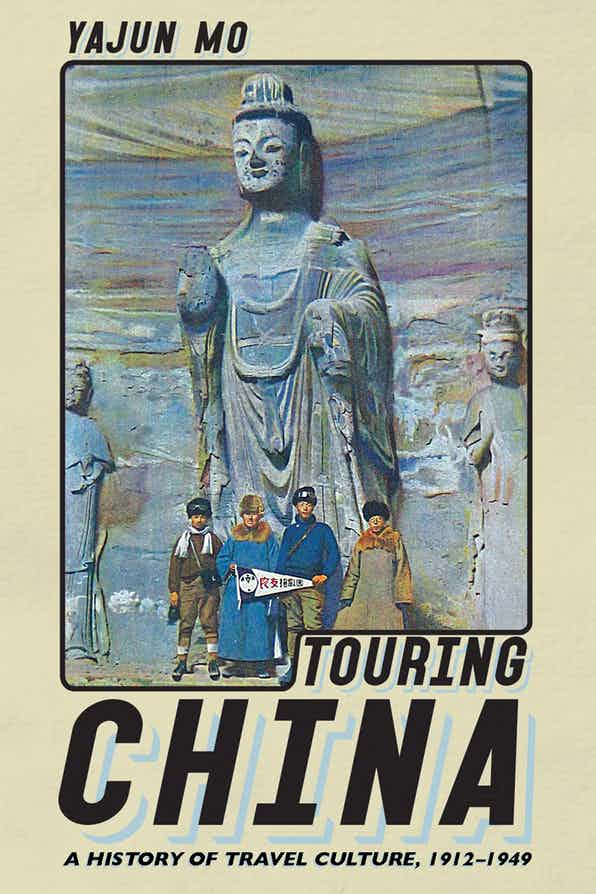 In Touring China: A History of Travel Culture, 1912-1949 (Cornell University Press, 2021), BC Assistant Professor of History Yajun Mo explores how early 20th century Chinese sightseers described the destinations that they visited, and how their travel accounts gave Chinese readers a means to imagine their vast country. When railroad and steamship networks expanded into the coastal regions of China, it propelled many Chinese from the eastern seaboard to its peripheries and beyond. In her book, Mo considers not only overseas travel and voyages across borderlands, but also trips within China. According to the author: On the one hand, via travel and travel writing, the unity of China’s coastal regions, inland provinces, and western frontiers was experienced and reinforced. On the other, travel literature revealed a persistent tension between the aspiration for national unity and the anxiety that China might fall apart. Mo teaches courses on modern China and women’s and gender history. Her research focuses on China’s production of its national image.
Deciphering the criminal mind
 Armed with scholarly knowledge of sex crimes, victimology, and criminal psychology, as well as research skills, Connell School of Nursing Professor Ann Wolbert Burgess worked alongside FBI agents and helped them to identify, interview, and track down dozens of notoriously violent offenders and serial killers. Her role in the evolution of criminal profiling and her career as pioneering forensic and psychiatric nurse are detailed in the new book, A Killer by Design: Murderers, Mindhunters, and My Quest to Decipher the Criminal Mind (Hachette Books, 2021), written by Burgess and Steven Matthew Constantine, associate director of marketing and communications at the Connell School of Nursing. Read more in BC News.
Posted in Boston College Authors
Tagged Connell School of Nursing, crime, forensics, serial killers
Leave a comment
Moved by mercy
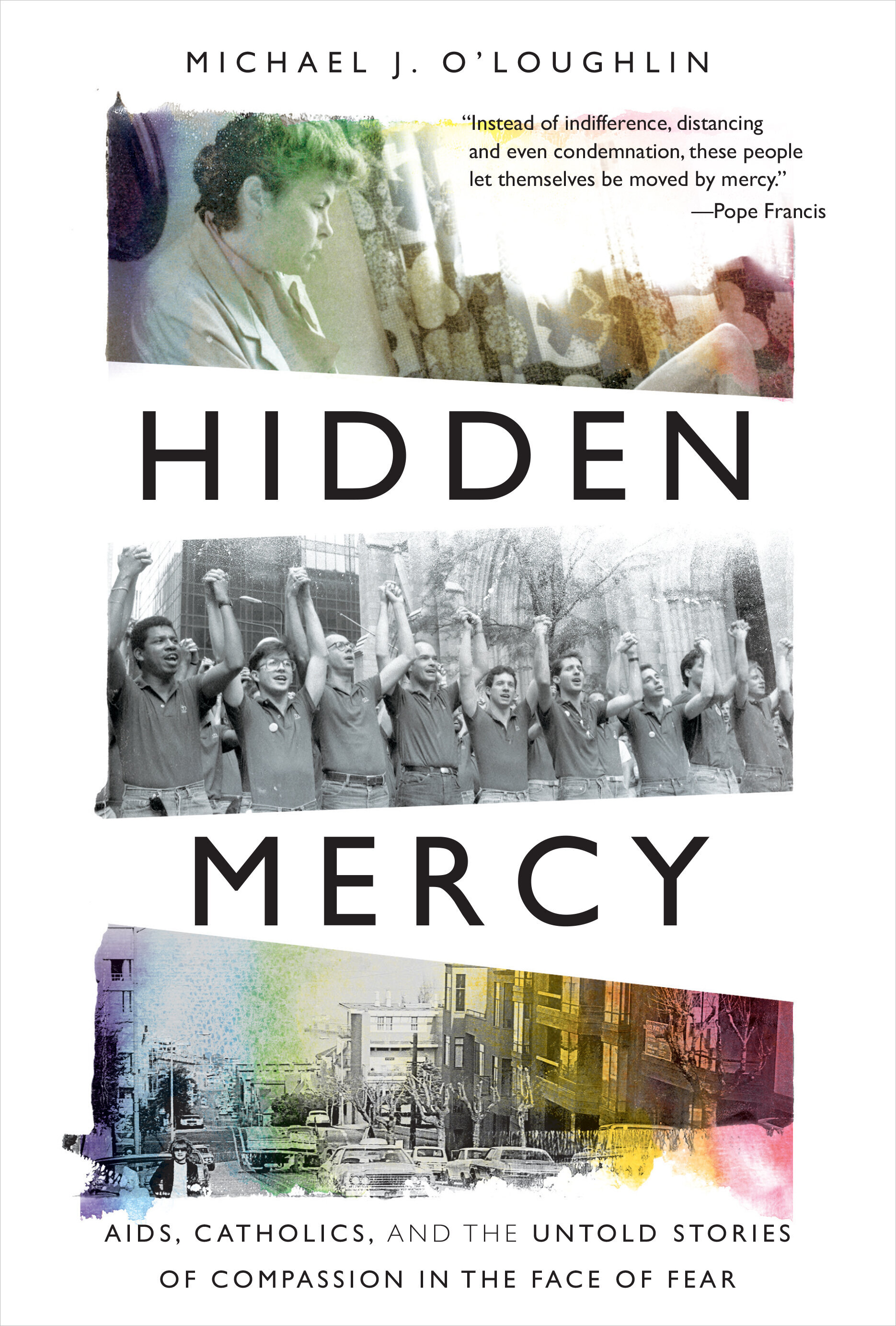 Set against the backdrop of the HIV and AIDS epidemic of the late 20th century and the Catholic Church’s crackdown on gay and lesbian activists, Hidden Mercy: AIDS, Catholics, and the Untold Stories of Compassion in the Face of Fear (Broadleaf Books, 2021) shines a light on the quiet heroes who responded to human suffering when so much of society—and so much of the Catholic Church—told them to look away. Hidden Mercy author Michael O’Loughlin will talk about and sign copies of his book at a Feb. 3 event co-sponsored by the Boston College Jesuit Institute and Saint Ignatius Church. The event, which begins at 7 p.m. ET, will be held in-person at St. Ignatius Church and will be available via livestream. O’Loughlin is an award-winning journalist and the national correspondent for America Media.
Helping stressed out kids
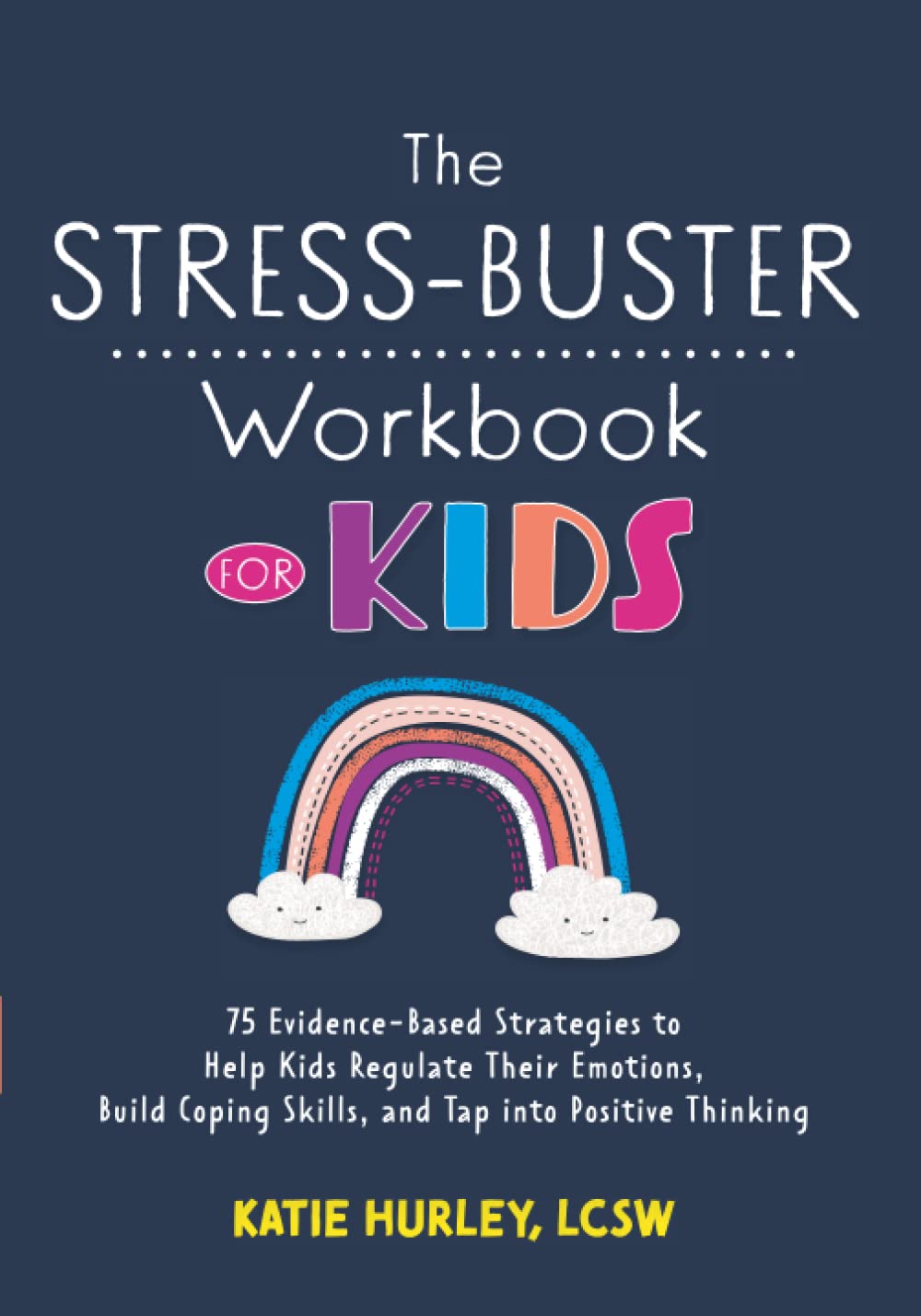 Kids today are growing up in a world that runs on stress. From bullying, peer pressure, and demanding academic expectations, modern-day kids are often faced with obstacles that can feel insurmountable. In The Stress-Buster Workbook for Kids (PESI Publishing, Inc., 2021), licensed clinical social worker Katie Hurley delivers evidence-based strategies, activities, and scripts to help children navigate the stressors of everyday life, overcome challenges, and build self-confidence. Hurley is a child and adolescent psychotherapist and parenting educator. She graduated with a bachelor’s degree from Boston College in 1997. Her book is a resource for parents, teachers, therapists, and any other professionals working with kids ages 4–11. Hurley is also the author of the award-winning No More Mean Girls: The Secret to Raising Strong, Confident and Compassionate Girls and The Happy Kids Handbook, among other titles.
Christian ethics in an age of inequality
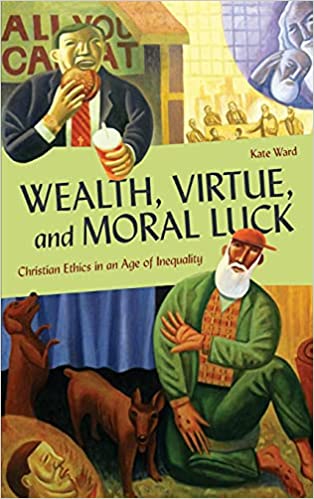 In Wealth, Virtue, and Moral Luck: Christian Ethics in an Age of Inequality (Georgetown University Press, 2021), Boston College graduate Kate Ward addresses the issue of inequality from the perspective of Christian virtue ethics, arguing that moral luck— or economic status—impedes the ability of both the wealthy and the poor to pursue virtues such as prudence, justice, and temperance, and extreme inequality exacerbates the impact of wealth and poverty on virtue. Ward shows how Christians and Christian communities should respond to the challenges inequality poses to virtue and how a world can be created where all people can pursue and achieve virtue. Ward received a Ph.D. in theological ethics from Boston College and is an assistant professor of theology at Marquette University. Read more in this Q&A from Marquette.
 BC Bookmarks